


National Geographic: Scientists are learning how to interrupt pain before it forms
New research suggests pain is not a simple signal of injury but a process that unfolds across nerves, spinal cord, and brain. Scientists are now targeting earlier points in that pathway, before pain fully forms.
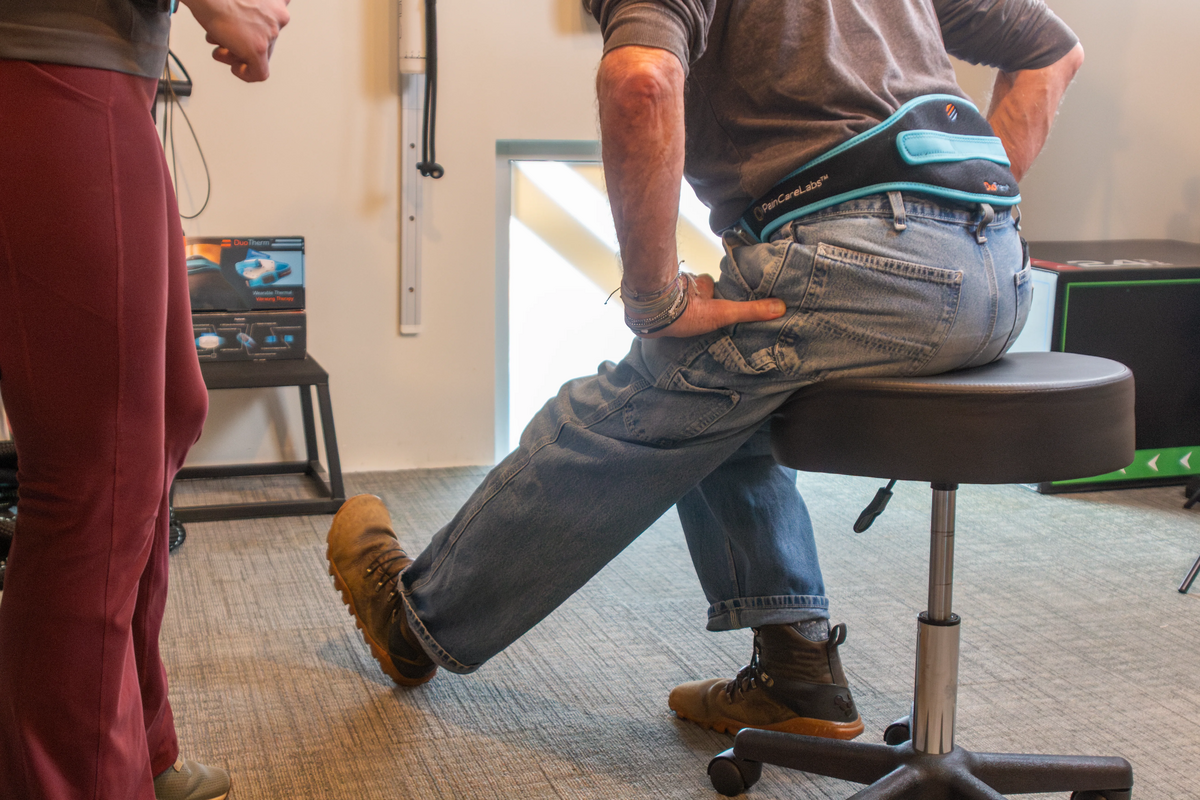
Reimagining the Brace: From Immobilizer to Active Therapeutic
The “movement is medicine” concept now pervades physical therapy. Motion speeds recovery, activates growth at a cellular level, and reduces pain by increasingly known and complex mechanisms. As the role of movement grows in medicine, how does immobilization fit?
Bracing reduces acute pain by restricting and protecting vulnerable anatomy from further damage, and can repair bone alignment over time. Yet in an era of accelerating neuromuscular, myofascial, and sensory‑modulation science, passive immobilization is increasingly inadequate. Both pro-movement and anti-immobilization studies suggest a benefit of cellular activation even when rigidity is required. Designers and manufacturers must now incorporate these discoveries to address the increasing likelihood that traditional bracing is often counter‑productive.

MCG researcher develops back pain relief device to decrease prescriptions
This article was originally published by Augusta University JAGWire and written by Katy Hennig. Back pain is no joke. For many, chronic pain slows life down, leading to repeated emergency room visits and prescriptions for pain medication. That’s why Amy Baxter, MD, created the patented DuoTherm in a life-saving and life-changing journey. “Back injuries that end up in the ER translate into approximately 25% of people getting an opioid prescription, and an estimated 5% of those people will misuse opioids,” Baxter said. The main goal: translate long-term research into a wearable device as a substitute for prescribing opioids for low-back pain. To help people with both acute and chronic pain, she built the device incorporating neuroscience to address the symptoms and reframe pain.
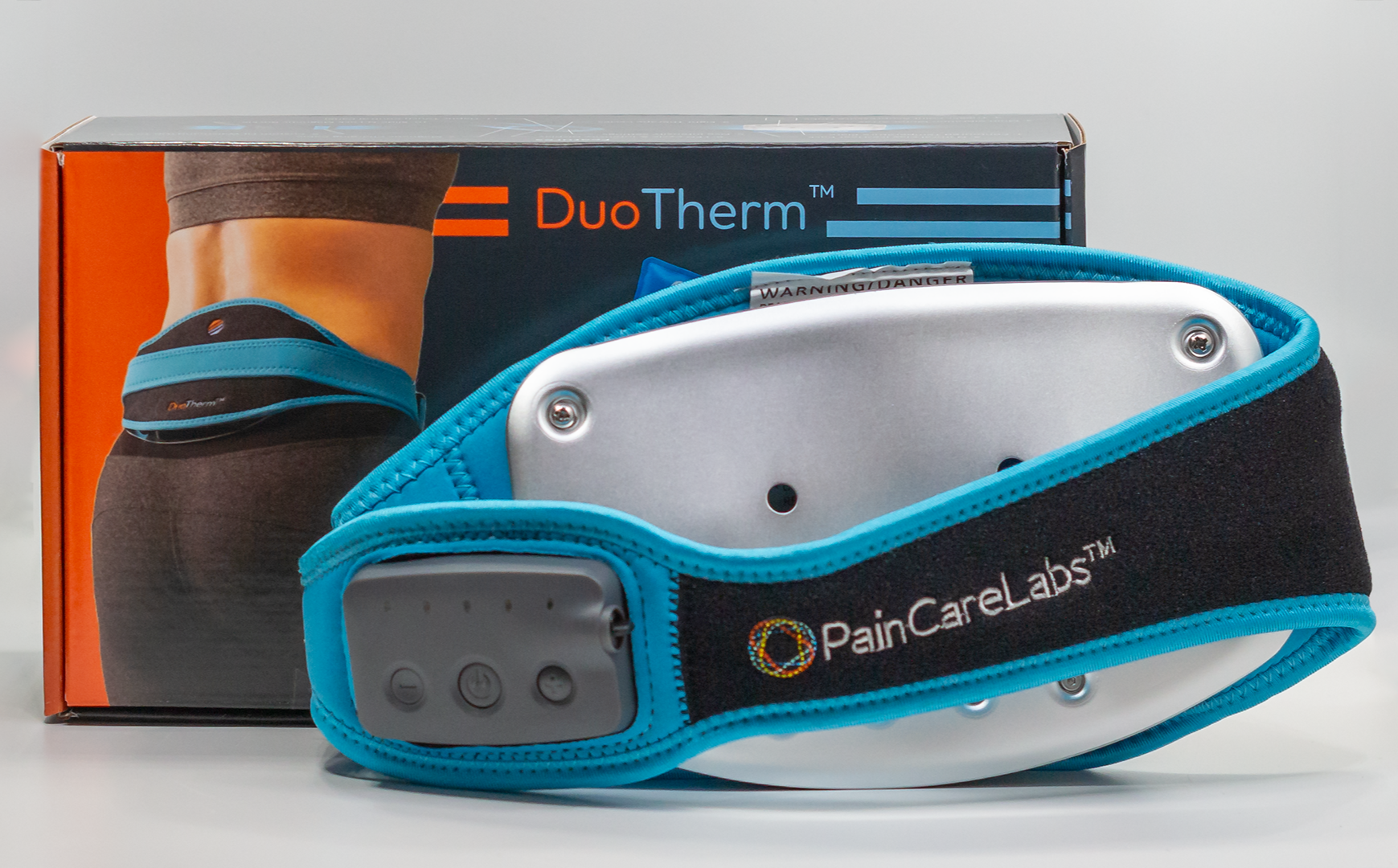
NIH News: Device shows promise for treating low back pain and reducing opioid use disorder
This article was originally published by The National Institutes of Health. Low back pain affects 80% of Americans during their lifetimes and is the most disabling condition worldwide. Up to 50% of cases of moderate-to-severe acute low back pain will become chronic. It is also the most common reason for outpatient opioid prescribing. Current evidence-based guidelines for treating low back pain recommend several types of therapies, including cold, heat, exercise, and transcutaneous electrical nerve stimulation (TENS), but in the U.S., doctors often prescribe opioids as a first treatment. In a pilot study, a device developed with support from NIH that provides heat, pressure, and harmonic multifrequency vibration, called an M-Stim device, was found to reduce both acute and chronic low back pain.
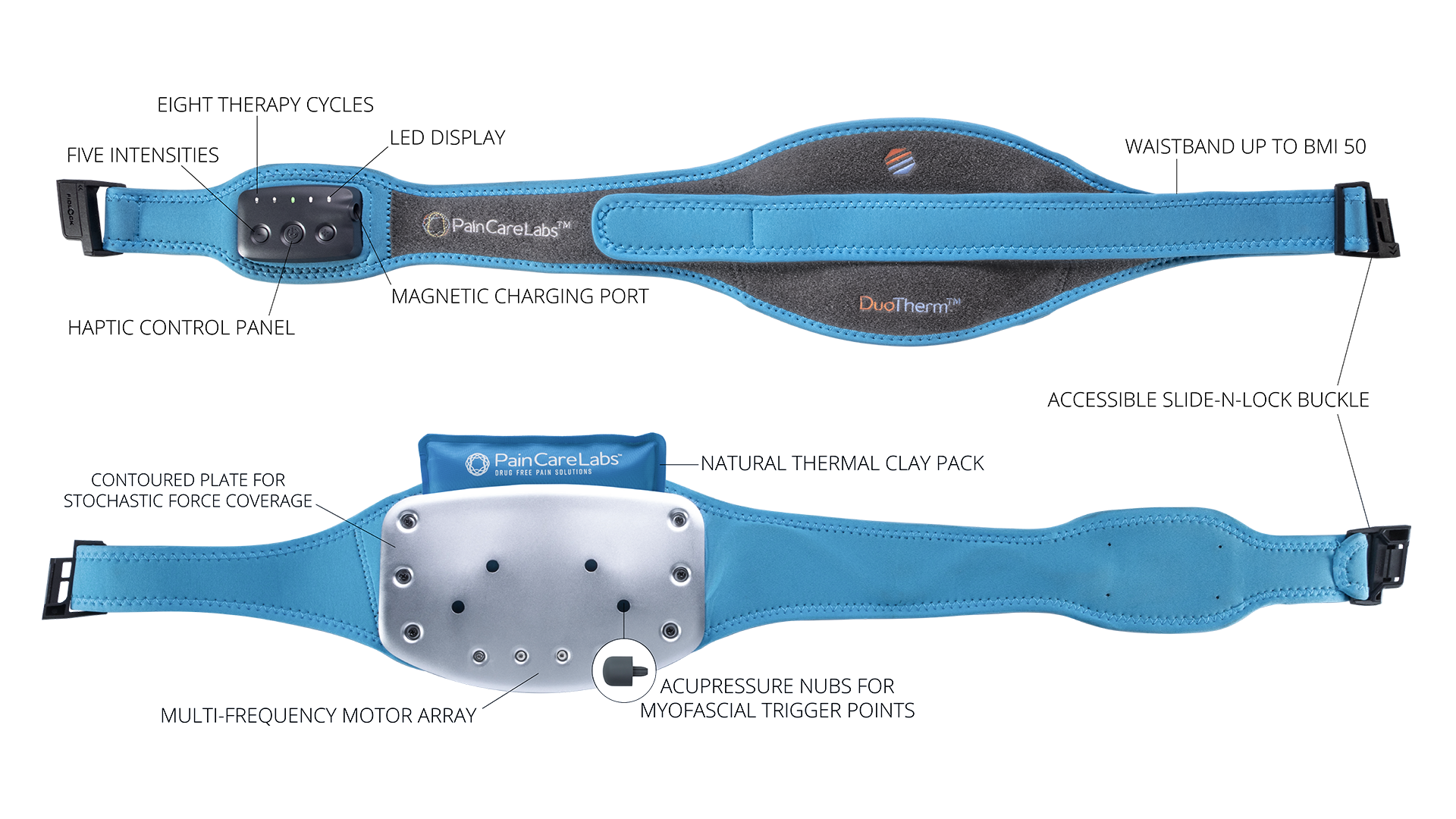
New wearable prevents and reduces chronic low back pain dysfunction, study finds
Low back pain affects 60% of Americans annually and contributes more than $200 billion to healthcare costs. A study this week in Frontiers in Pain Research offers hope, as a novel wearable both prevented and restored function for the most severe patients with chronic pain.
“Injuries, degenerative disease, and posture can all cause spinal muscle dysfunction and pain,” explained Amy Baxter MD, lead investigator and clinical Professor at Augusta University.

Study finds wearable, DuoTherm, cuts opioid prescribing for low back pain
A landmark randomized controlled trial funded by the National Institutes of Health found that a multimodal mechanical stimulation (M-Stim®) device, DuoTherm™, prevented new opioid prescribing and reduced opioid use in patients seeking treatment for moderate-to-severe low back pain. The peer-reviewed paper marks a pivotal moment in the fight against the opioid epidemic.
“Pain is overwhelming. Studies show combining temperature, pressure, and vibration improves coping and reduces pain. We also included frequencies shown to improve movement and blood flow, aiming to not only improve self-efficacy but also recovery,” noted Dr. Amy Baxter, lead investigator and CEO of Harmonic Scientific LLC.
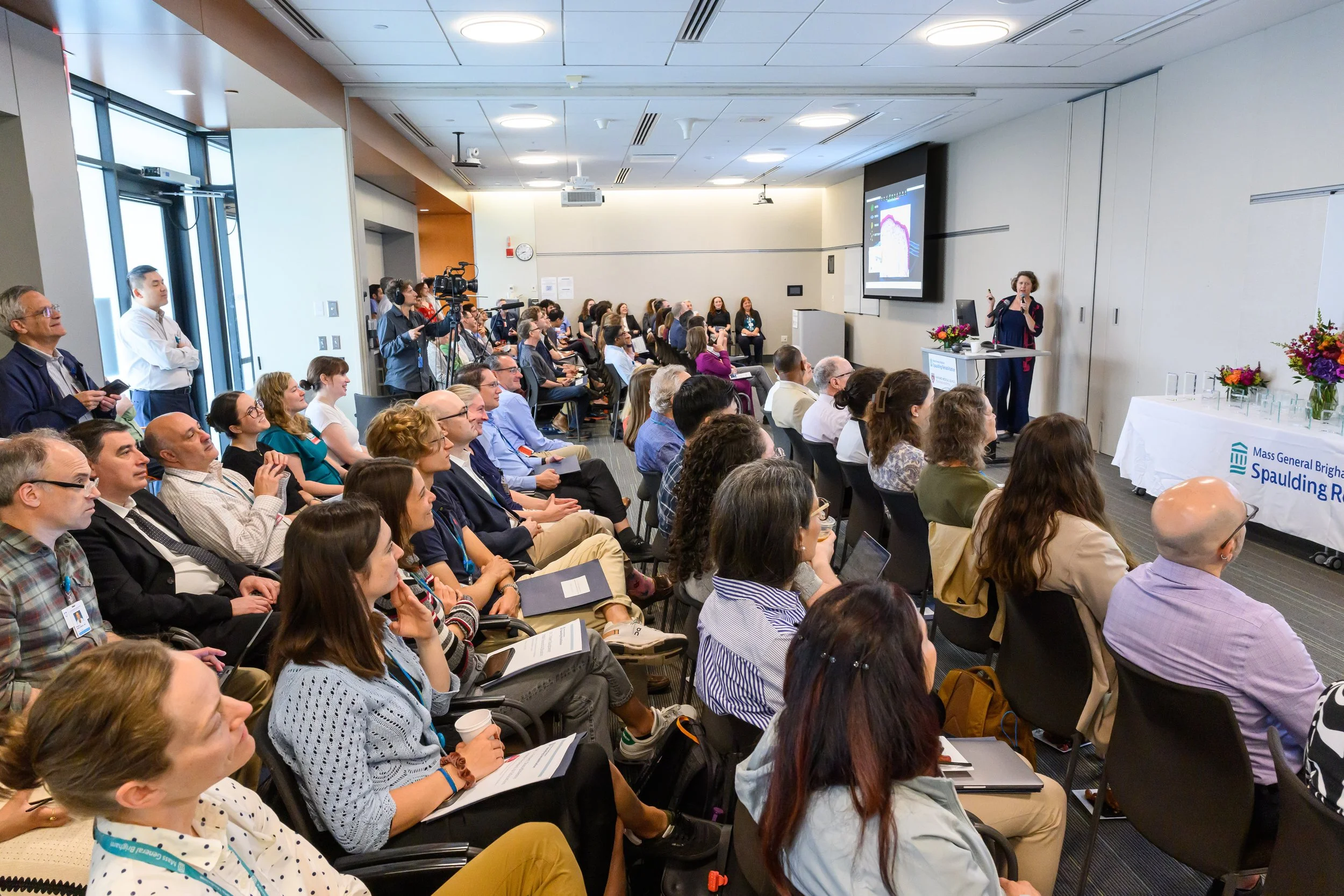
Breakthrough in low back pain research presented at PM&R Research Day
A recent study presented at Spaulding Rehabilitation Hospital’s PM&R Research & Education Day introduced a novel physiologic framework for understanding and treating chronic low back pain.
Drawing from over 20 years of pain research, Dr. Amy Baxter presented findings from her NIH-funded randomized controlled trial to prevent opioid prescribing through low back pain relief.
“We anticipated a vibration wearable with thermal options would stop transmission of pain through neuromodulation, and give patients options to reduce their opioid use,” noted Baxter, whose previous invention, Buzzy, uses this mechanism for needle pain relief. She continued, “When a few subjects’ pain abruptly resolved, they’d start twisting, testing for pain. We suspected our treatment released something mechanical that was trapping the nerves.”

Neuromodulation solutions target “transitional” pain
This article was originally written for Neurotech Reports by Jeremy Koff. Newer noninvasive neuromodulation technologies are emerging to fill this void between acute and chronic pain. Devices like DuoTherm and VibraCool from Pain Care Labs deliver mechanical or vibratory stimulation coupled with heat or cold, offering opioid-sparing benefits without the complexity or potential complications with fully implantable devices. In a pilot study of ACL repair patients, VibraCool reduced opioid use by 35%—a figure currently being validated in ongoing trials at UCSF and Columbia. Auricular neuromodulation, such as Masimo’s NSS-2 Bridge, are also being used to evaluate postoperative pain.

New study finds wearable pain relief device promising treatment for low back pain without use of opioids
Low back pain impacts 80% of adults and is the most common cause of missed workdays and disability globally in 2016. The most invasive and expensive intervention, spinal cord stimulation, was dealt a blow in March. A Cochrane review, the most rigorous type of scientific analysis, found the procedure no better than placebo. A new study published on April 26, 2023, offers a potential direction for non-surgical relief.